A Comprehensive Guide to the Various Kinds Of Mass Plastic Containers Available Today
Bulk plastic containers play a vital duty in different markets, providing remedies for storage and transport. Their varied types provide to various needs, from rigid alternatives for solid materials to adaptable containers fitting numerous shapes. Each kind offers distinct advantages, making it vital to understand their functions and applications. As industries evolve, so do the needs for reliable container remedies. What variables should one take into consideration when picking the ideal bulk container?
Overview of Bulk Plastic Containers

Kinds Of Bulk Plastic Containers
Mass plastic containers been available in various types, each suited to details applications. Stiff bulk containers, flexible mass containers, and intermediate mass containers represent the key categories, each offering unique benefits. Comprehending these types is necessary for choosing the right container for delivering and saving materials.

Inflexible Bulk Containers
Rigid bulk containers are important for reliable storage space and transportation of various materials across markets. These containers are typically created from resilient plastics, enabling them to endure extreme handling and ecological problems. They come in various sizes and shapes, including totes, containers, and drums, making them appropriate for saving every little thing from granular materials to fluids. Rigid containers commonly include reinforced walls and protected lids, making sure the materials continue to be shielded throughout transportation. Their stackable style makes best use of storage room, making them ideal for warehouses and manufacturing facilities. Additionally, several stiff bulk containers are recyclable and multiple-use, adding to sustainability efforts. On the whole, their toughness and convenience make stiff mass containers a crucial part in supply chain operations.
Adaptable Mass Containers
Flexible mass containers, typically referred to as flexible intermediate mass containers (FIBCs), act as a versatile solution for saving a variety and moving of dry products. These containers are generally made from woven polypropylene and are created to be lightweight yet strong, permitting efficient handling and stacking. Their adaptability enables them to suit different sizes and shapes, making them ideal for products varying from grains to chemicals. FIBCs can be furnished with features such as spouts for very easy filling and discharge, along with protective coatings for improved toughness. Additionally, they are recyclable and multiple-use, contributing to lasting methods in markets like agriculture, food handling, and construction. In general, adaptable mass containers provide a effective and economical alternative for bulk material administration.
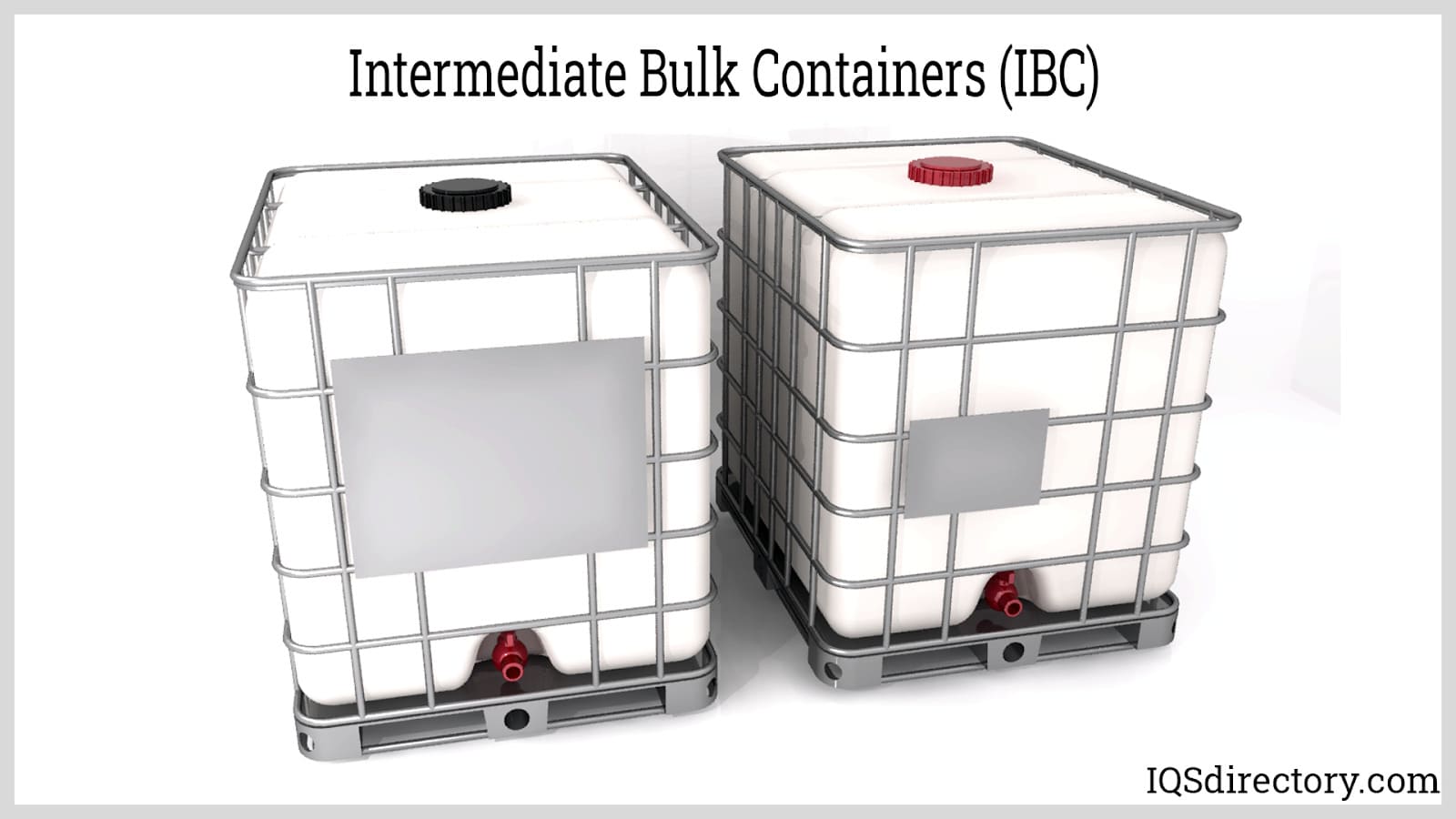
Intermediate Mass Containers
Intermediate bulk containers (IBCs) are crucial for the efficient transport and storage of fluids and granular products throughout different markets. These containers commonly have an ability varying from 275 to 330 gallons and are made for very easy piling and managing. Made from resilient materials like high-density polyethylene or steel, IBCs offer outstanding protection against contamination and ecological variables. Their layout includes features such as a built-in pallet for forklift accessibility and a detachable top for simple filling and cleaning. IBCs are widely used in chemical, food, and pharmaceutical sectors, ensuring conformity with safety and security laws. Their adaptability and reusability make them a cost-efficient option for bulk storage space and transportation, adding to supply chain performance and sustainability.
Functions and Benefits of Mass Plastic Containers
Mass plastic containers are necessary devices in numerous industries, supplying a mix of toughness and usefulness. These containers are built from premium materials, making them immune to effects, chemicals, and environmental factors. This effectiveness assurances product safety and security throughout storage and transportation.
In addition, bulk plastic containers are light-weight, helping with ease of reducing and managing delivery prices. Their stackable layout maximizes storage efficiency, enabling for maximized stockroom area. Many designs feature safe and secure covers or closures, providing an impermeable seal that preserves materials and stops contamination.
Mass plastic containers are typically reusable and recyclable, contributing to lasting methods. Their convenience enables a vast array of applications, from food storage to commercial use, enhancing their value across sectors. Businesses profit from the long life-span and low upkeep needs of these containers, making them a cost-efficient option for both temporary and long-term demands.
Industries That Utilize Mass Plastic Containers
Numerous industries gain from making use of mass plastic containers, each leveraging their unique homes for specific applications. The food and drink industry depends on these containers for risk-free storage space and transportation of items, while the chemical production sector utilizes them for handling dangerous materials. Additionally, the pharmaceutical distribution needs highlight the importance of longevity and sanitation in packaging services.
Food and Beverage Market
As the need for safe and effective storage space remedies remains to increase, the food and drink sector progressively relies upon mass plastic containers for their functional requirements. These containers give durable, lightweight, and functional alternatives for saving components, completed products, and waste products. Made from food-grade products, they assure compliance with health and wellness criteria. Numerous designs, such as stackable bins and lug boxes, optimize room throughout transportation and storage, enhancing logistical performance. Additionally, the openness of some bulk containers permits for simple supply administration, lowering the danger of perishing. With the market's emphasis on sustainability, lots of manufacturers are currently providing recyclable and reusable options, straightening with eco-friendly practices investigate this site while satisfying the high demands of food safety and security and health.
Chemical Manufacturing Sector
The chemical production market depends heavily on mass plastic containers for the risk-free and reliable storage of basic materials, intermediates, and completed items. These containers are made to stand up to different chemicals, making sure that unsafe materials do not leak or degrade the container itself. Typical types consist of high-density polyethylene (HDPE) and polypropylene containers, which provide excellent chemical resistance and resilience. Their lightweight nature and stackable layout assist in transportation and storage space, enhancing space in making centers. Furthermore, several bulk plastic containers feature functions such as tamper-evident seals and easy-to-read labeling, enhancing safety and security and compliance with sector policies. Generally, bulk plastic containers are indispensable to the chemical manufacturing procedure, providing dependable options for dealing with varied substances.
Drug Circulation Demands
Pharmaceutical distribution counts on mass plastic containers to satisfy strict safety and regulative requirements. These containers are essential for storing a selection and transferring of pharmaceutical products, including active pharmaceutical active ingredients (APIs) and finished drugs. Their design warranties security against light, contamination, and wetness, keeping the stability of sensitive products. In addition, mass plastic containers are compliant with market requirements such as Good Manufacturing Practices (GMP) and are frequently made from materials that are FDA-approved. Making use of these containers boosts performance in the supply chain, enabling risk-free, large-scale circulation while decreasing waste. Firms in the pharmaceutical field focus on using durable, watertight, and tamper-evident containers to ensure item security and high quality throughout the logistics process.
Factors to consider for Picking the Right Container
When choosing the suitable mass plastic container, numerous aspects should be very carefully weighed to assure excellent functionality and security. The nature of the materials to be stored is critical; compatibility with the container's material can influence integrity and security. Bulk Plastic Containers. Furthermore, the container's size and shape should line up with the storage space and transport requirements, ensuring efficient space use
Load capability is another crucial factor to consider, as it needs to suit the weight of materials without threat of damages or failing. The style functions, such as airing vent or lids, can influence usability and access. Compliance with market policies is necessary, especially in markets like drugs, where security standards are rigorous.
The anticipated lifespan and toughness of the container need to be analyzed to confirm it fulfills the functional demands without constant substitute. By reviewing these variables, one can pick one of the most appropriate mass plastic container for certain applications.
Ecological Effect and Sustainability
As companies significantly focus on sustainability, the ecological effect of mass plastic containers has actually come under examination. These containers, commonly made from products such as polyethylene or polypropylene, add substantially to plastic waste otherwise taken care of correctly. Their production entails the consumption of nonrenewable fuel sources, which can result in enhanced greenhouse gas emissions. Nonetheless, improvements in reusing innovation and the development of biodegradable choices are aiding to alleviate these worries.
Additionally, numerous manufacturers are taking on methods that highlight using recycled materials, therefore minimizing the demand for virgin plastics. The toughness of bulk plastic containers also plays a duty; they are developed to be recycled several times, which can lessen their general environmental impact when compared to single-use alternatives. Ultimately, the market faces the obstacle of balancing functionality with ecological duty, making lasting methods necessary for the future of bulk plastic containers.
Best Practices for Storage Space and Transport
Effective storage and transport of bulk plastic containers considerably influence both functional effectiveness and sustainability. To make the most of area, organizations should pile containers firmly, ensuring security dig this and protecting against damages. Correct labeling is vital for easy visit their website identification, which streamlines access processes. Additionally, keeping a tidy and well organized storage location reduces the threat of contamination and boosts safety and security.
For transportation, selecting the ideal lorry is important; containers ought to be protected to prevent changing throughout transportation. Companies ought to likewise take into consideration using pallets to assist in much easier loading and dumping. Normal examinations of containers for damage can prevent costly replacements.
Temperature control is one more crucial facet, as extreme conditions can endanger the integrity of the plastic. Training workers on ideal techniques for taking care of and transport warranties conformity and advertises a society of security. By executing these finest methods, companies can improve their functional effectiveness while contributing to ecological sustainability.
Regularly Asked Concerns
Exactly how Do I Clean Mass Plastic Containers Efficiently?
To tidy mass plastic containers efficiently, one should wash them with warm water, use a mild detergent and scrub with a soft brush. Rinse completely, after that allow to air completely dry totally before storage or reuse.
What Is the Lifespan of Bulk Plastic Containers?
The lifespan of bulk plastic containers generally ranges from 5 to 10 years, depending upon the product, use, and ecological conditions. Correct upkeep and storage space can considerably expand their functionality and resilience with time.
Can Bulk Plastic Containers Be Personalized?
Do Mass Plastic Containers Have Service Warranty Options?

Are There Regulations for Using Mass Plastic Containers?
Yes, guidelines exist for using bulk plastic containers, mainly focused on security, environmental impact, and material conformity. These laws assure that containers satisfy market requirements and are appropriate for carrying different compounds safely and efficiently.
Inflexible mass containers, versatile bulk containers, and intermediate bulk containers stand for the key classifications, each offering distinct advantages. Adaptable mass containers, usually referred to as versatile intermediate bulk containers (FIBCs), offer as a functional solution for transferring and keeping a variety of dry materials. The chemical manufacturing sector counts greatly on bulk plastic containers for the efficient and safe storage of raw materials, intermediates, and finished products. plastic bulk containers. These containers are created to stand up to different chemicals, ensuring that hazardous materials do not leak or break down the container itself. Additionally, mass plastic containers are compliant with industry criteria such as Good Manufacturing Practices (GMP) and are commonly made from materials that are FDA-approved
Comments on “Explore the increasing demand for plastic bulk containers in global markets”